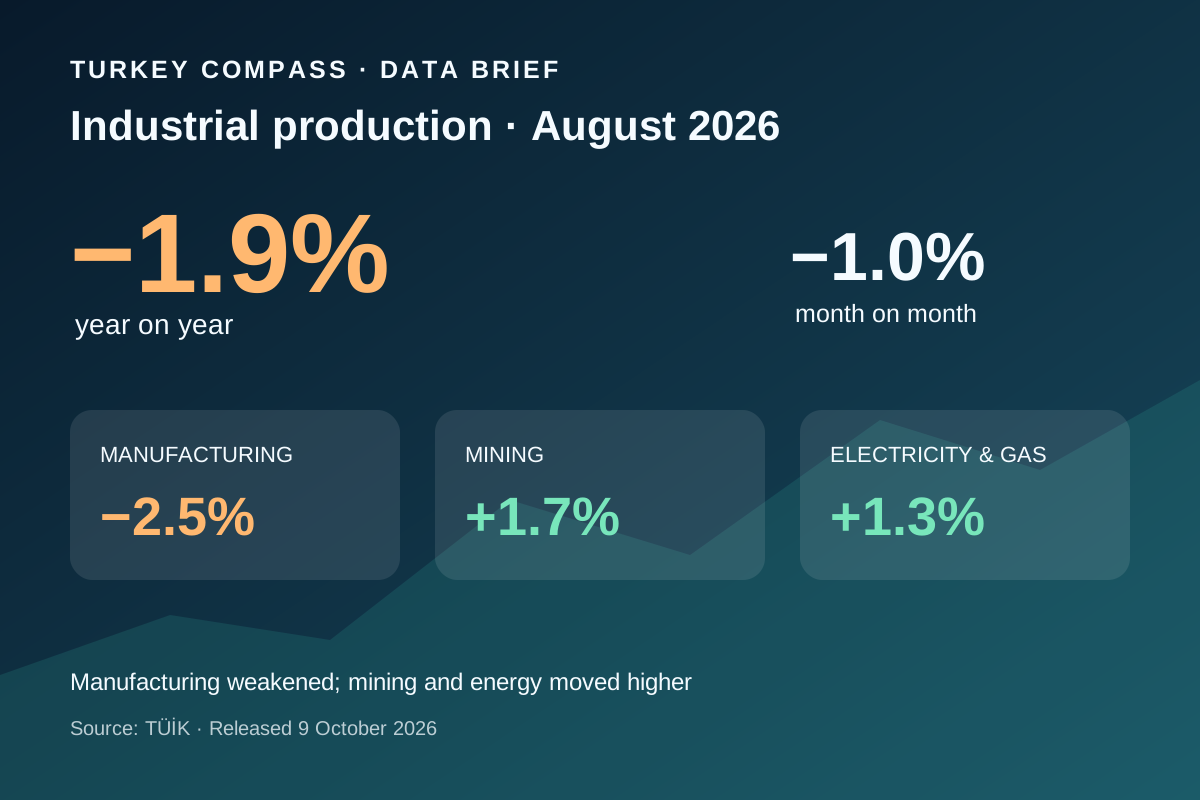
Turkey's industrial production decreased 1.0% in August 2026 from the previous month and 1.9% from a year earlier, TÜİK reported on 9 October. The headline deteriorated from July's 0.3% annual decline, but the sector split matters more than the national total: manufacturing contracted while mining and energy expanded. For international investors and suppliers, this is a demand and capacity signal—not proof that every factory, exporter or region moved in the same direction.
Manufacturing pulled the annual index lower
Calendar-adjusted manufacturing output fell 2.5% from August 2025. Mining and quarrying increased 1.7%, while electricity, gas, steam and air-conditioning production and distribution rose 1.3%. The contrast shows why a buyer of machinery, food, textiles, chemicals or vehicle components needs the relevant industry data and company order book. A positive energy or mining result does not offset a weaker supplier in another branch.
The monthly contraction was concentrated in manufacturing
On a seasonally and calendar-adjusted basis, total production declined 1.0% from July. Manufacturing fell 1.6%, while mining rose 4.1% and electricity and gas increased 3.3%. The monthly total therefore remained negative despite gains in two smaller main groups. Monthly and annual rates use different comparisons and adjustments; adding them together or calling the result a 2.9% fall would be wrong.
July and August point to softer momentum, not a recession verdict
July output also fell 1.0% month on month, while its annual change was a smaller 0.3% decline. August therefore extended the monthly weakness and produced a more negative annual comparison. Even so, two monthly releases cannot establish a recession, and the figures may be revised. GDP, services, employment, export orders, capacity utilisation and company accounts are needed before drawing a broader conclusion.
Investors should test volume, margin and working capital separately
Ask whether a Turkish company serves domestic or export demand, how much capacity is being used and whether inventories or receivables are rising. Then stress-test lower volumes alongside wage, energy and financing costs. A business can maintain revenue through price increases while physical output declines, so nominal sales alone may conceal weaker volumes. The national index does not identify profitable shares, creditworthy suppliers or safe acquisitions.
The release is not a property or exchange-rate forecast
Industrial production can eventually influence logistics demand, industrial property and regional employment, but those links require local evidence. It does not measure house prices, rents, construction costs or the lira. A property or factory decision should combine verified transactions, occupancy, infrastructure, permits, tenant quality and contract currency with the sector's own production trend. The defensible conclusion is narrower: manufacturing weakened in August while mining and utilities provided partial support.