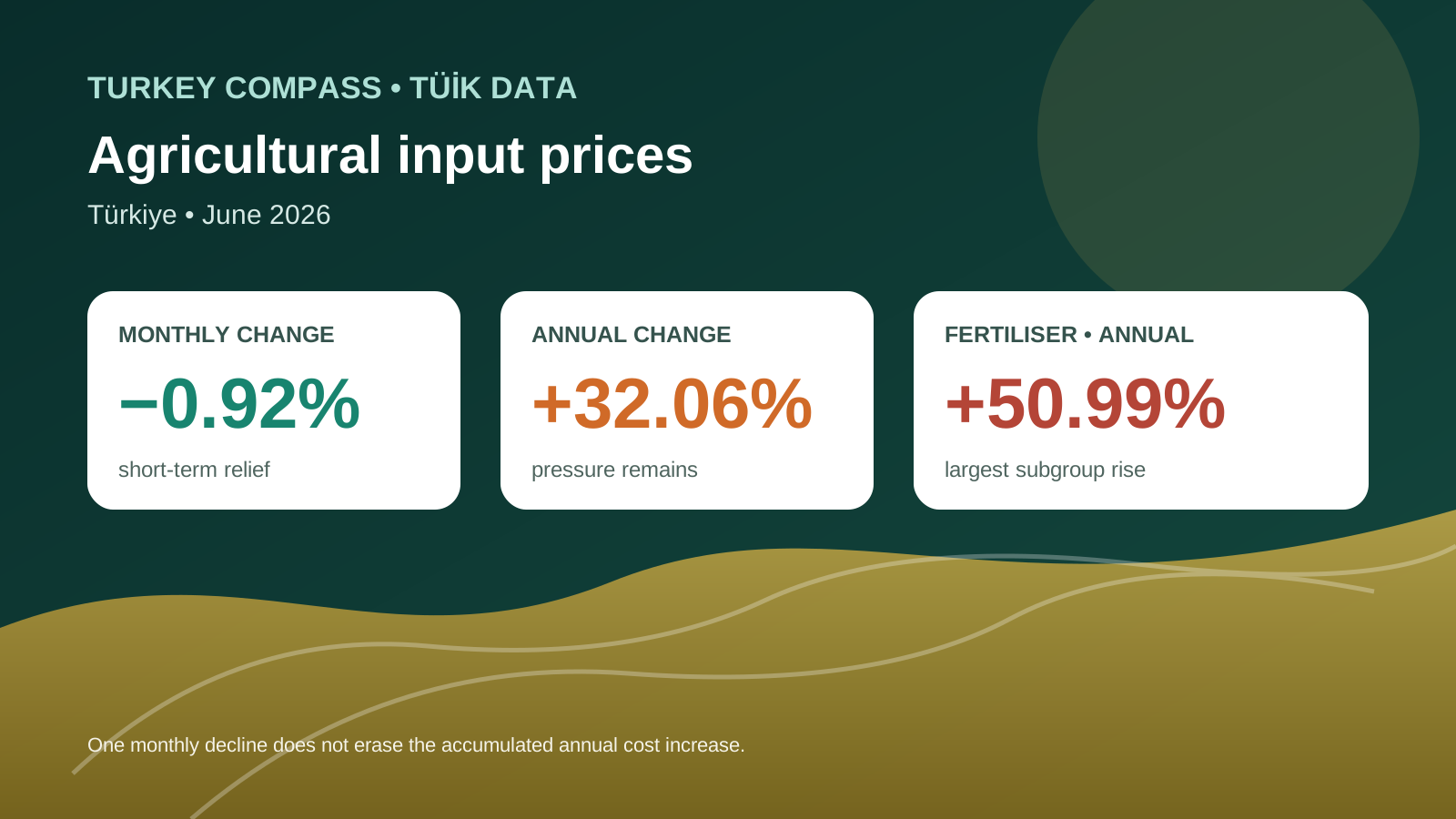
Turkey's Agricultural Input Price Index fell 0.92% in June 2026 from May, the first clear monthly relief after a period of strong cost increases. The annual rate nevertheless remained 32.06%, while the index was 16.92% above December and 34.02% higher on a twelve-month-average basis. This combination matters for food businesses, agricultural investors and households: a one-month decline can ease immediate pressure, but it does not erase the much larger rise accumulated over the previous year. The release is therefore best read as a change in momentum, not proof that farming or groceries have suddenly become cheaper.
The headline contains two different time horizons
The monthly figure compares June with May and shows a 0.92% fall. The annual figure compares June 2026 with June 2025 and records a 32.06% increase. Both can be true at the same time because they answer different questions. In May, the index had risen 0.44% monthly and 36.65% annually. June therefore brought a 1.36 percentage-point swing in the monthly movement and a 4.59-point moderation in the annual rate. That is meaningful relief in direction, but the price level remains far above last year's base.
Operating inputs and investment goods moved differently
TÜİK divides the index into goods and services used in current agricultural production and items that contribute to agricultural investment. The first group fell 1.20% in June but was still 33.88% higher than a year earlier. Investment-related goods and services rose 0.93% in the month and 21.49% annually. A farmer buying day-to-day inputs therefore faced a different short-term picture from a business purchasing buildings, machinery or other long-lived assets. Project budgets should not apply the overall index to every expenditure line.
Fertiliser remains the strongest annual warning
Fertiliser and soil improvers posted the highest annual increase among the subgroups, at 50.99%. That rate was lower than May's 63.56%, but it still represents a major cost burden for producers whose yields depend heavily on fertiliser. The most rapidly rising subgroup in June itself was building maintenance, up 3.88% over the month. These details show why an average decline may not feel like relief to every farm: crop type, infrastructure needs and the timing of purchases determine the real cost experience.
Why the data does not predict supermarket prices
The index measures prices paid by agricultural producers for inputs such as seed, feed, energy, fertiliser, veterinary services, machinery maintenance and investment goods. It does not measure the retail price of tomatoes, bread or meat. Farm inputs influence the supply chain, but processing, packaging, transport, wholesale margins, retail competition, seasonality and harvest conditions intervene before a product reaches a consumer. A monthly fall in inputs may reduce future pressure, yet it cannot be converted into an immediate or equal reduction in a household grocery bill.
What agricultural investors should test
Anyone considering a greenhouse, orchard, livestock operation or food-processing investment in Turkey should build a cost model by input rather than relying on the national average. Separate imported and domestic materials, energy, fertiliser, feed, labour, irrigation, finance and maintenance. Then test the business under several exchange-rate and yield scenarios. A national index can identify pressure points, but profitability depends on local water access, crop choice, contract terms, logistics, export demand and the ability to adjust selling prices. Due diligence should also include licences, land status and insurance.
A useful signal for food and hospitality companies
Restaurants, hotels, exporters and retailers can use the release as an early prompt to review supplier quotations, not as an automatic basis for price increases. The key questions are whether a supplier's costs actually changed, which input drove the change, how long the quotation remains valid and whether seasonal supply will offset it. Companies purchasing in foreign currency should distinguish lira input inflation from their euro or dollar cost. Contracted volumes, storage capacity and alternative suppliers can matter more than a single national percentage during the next buying cycle.
How households should interpret the report
For people living in Turkey, the 32.06% figure is not a personal inflation rate. A family's food spending depends on its basket, city, shopping channel and season. The release nevertheless helps explain why food prices may remain resistant even when some monthly indicators improve: many producers are still working with costs accumulated over the previous year. Households should compare actual local prices and consumer inflation, while treating the farm-input index as background on possible future supply pressure rather than a forecast for next week's shopping.
Turkey Compass assessment
June's decline is a genuine positive change in short-term momentum, particularly after May's monthly increase, but declaring the cost problem solved would be misleading. Annual input inflation remains high, fertiliser pressure is exceptional, and investment-related costs continued to rise during the month. The next release will show whether June was the start of a broader easing trend or only a temporary correction. Businesses should update budgets with current quotations, and readers should keep producer-input, farm-output and consumer-price statistics separate when making decisions.