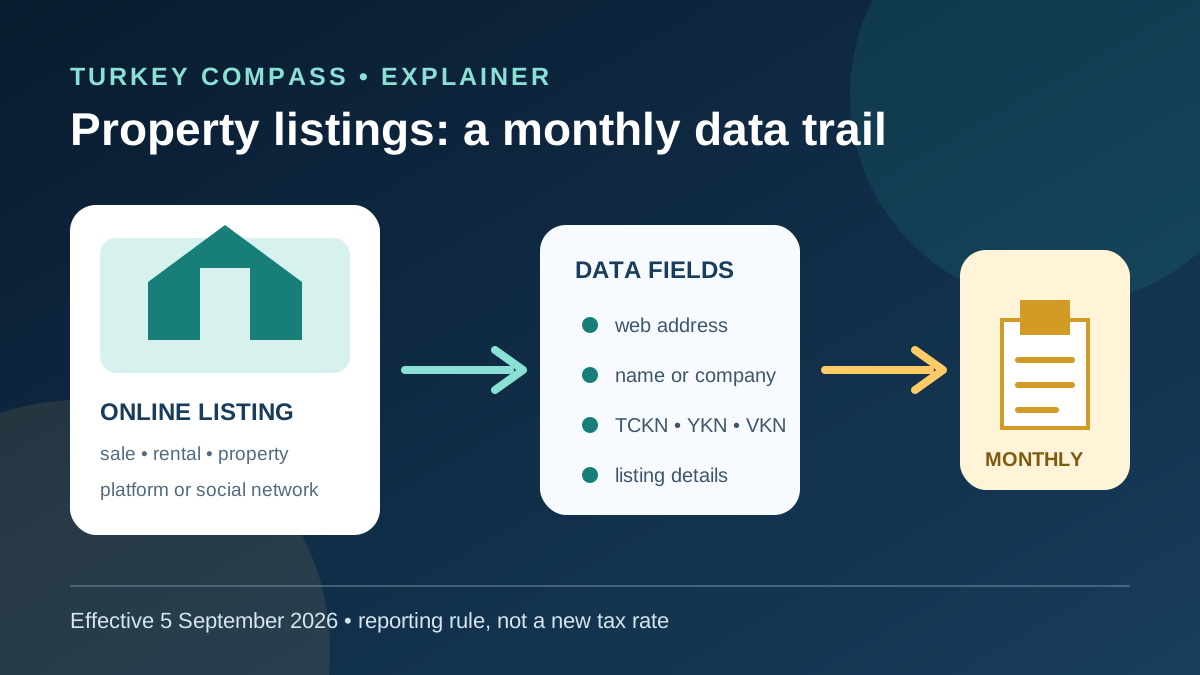
Turkey widened the tax-information reporting framework for digital sales, rental, advertising and listing activity on 5 September 2026. General Communiqué No. 595 expressly brings hosting providers and social-network providers that enable movable, immovable, goods or services listings into a monthly reporting rule. For international owners and renters, the practical change is greater traceability of who placed a property listing and what transaction it concerned—not a new property tax rate.
What platforms must report every month
Providers that enable listings for the purchase, sale or rental of movable or immovable property, goods or services must electronically report the internet address used, the advertiser's name or company title, taxpayer-identification information and the relevant listing details. The text expressly includes Turkish ID, foreigner ID and tax ID numbers as examples of identification used to establish tax status.
Who carries the monthly reporting duty
The communiqué places the monthly submission duty on the hosting providers and social-network providers that enable the listings. It does not say that every individual homeowner, tenant or buyer must submit a new monthly return merely because they post or answer an advert. A person's existing tax and record-keeping obligations can still depend on whether the activity is occasional, commercial or produces taxable rental income.
Property advertisers should expect identity matching
An owner, landlord, estate agency or other advertiser may be asked for a Turkish ID number, foreigner ID number or tax number so the platform can complete its report. Names, identifiers and listing details should match the person or company legally offering the property. Using another person's account, an unverifiable phone number or a mismatched title deed can now create an additional data inconsistency.
What the rule does not establish
The communiqué does not introduce a new tax rate, change the title-deed transfer tax, legalise unregistered short-term accommodation or give a platform authority to decide tax liability. It also does not state that foreign advertisers are barred from posting. It changes the information-reporting framework; liability still follows the applicable tax, tenancy, tourism and property rules.
Checks for buyers and long-term tenants
Ask the advertiser to identify the legal owner or authorised agent, compare that identity with the title deed or power of attorney, and keep the listing URL, date and written offer. For a lease, verify the address and payment recipient before transferring money. Platform reporting improves the official data trail, but it is not a guarantee that a listing is genuine or that the property is legally available.
Short-term rentals remain a separate compliance track
A listing-reporting rule is not a tourism-residence permit. Furnished stays offered for tourism purposes may be subject to separate licensing, building-consent and platform-verification requirements. Owners and operators should check the accommodation regime independently instead of treating successful publication of an advert as approval to host guests.
Turkey Compass fact check
Confirmed: the communiqué took effect on publication on 5 September 2026 and requires monthly platform reporting of internet address, identity or tax identifiers, and sales or rental listing data. Not stated: a new tax payable by every advertiser, a blanket ban on foreign owners, or automatic taxation based solely on one listing. Anyone with repeated rentals or commercial activity should obtain case-specific advice from a Turkish tax professional.