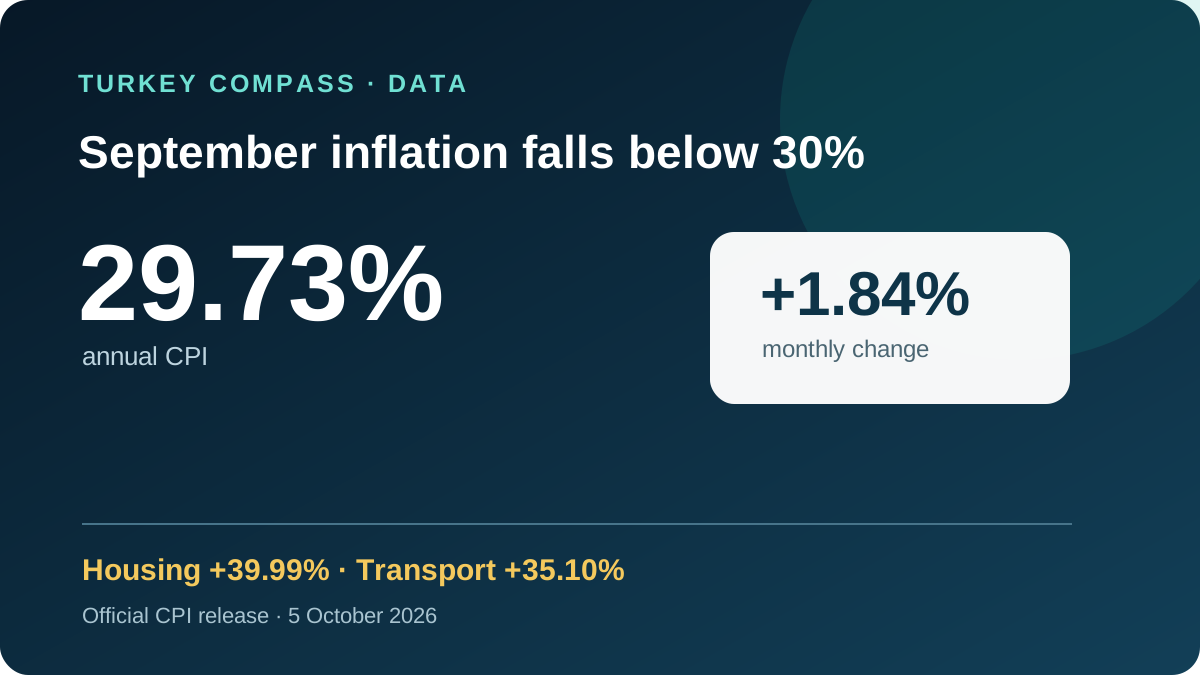
Turkey’s annual consumer inflation slowed from 31.51% in August to 29.73% in September 2026, while prices still rose 1.84% during the month. The release takes the headline rate below 30% for the first time in this sequence, but it does not mean that prices fell. For international residents and investors, the more useful reading is inside the basket: housing-related costs rose 39.99% and transport 35.10% over the year, both faster than the national index.
What changed in September
TÜİK reported a 1.84% monthly increase, a 24.32% rise since December 2025 and a 29.73% increase compared with September 2025. The 12-month average was 31.49%. These figures answer different questions: the monthly number shows the latest movement, the annual rate is the main disinflation gauge, and the 12-month average is used in some legal and contractual calculations. A lower annual rate describes slower price growth, not a reversal of past increases.
Housing and transport still outpaced headline CPI
Housing, water, electricity, gas and other fuels increased 39.99% year on year. Transport rose 35.10%, while food and non-alcoholic beverages increased 27.62%. During September alone, transport gained 2.79% and housing-related costs 2.71%; food fell 0.20%. A household that spends heavily on rent, utilities or mobility can therefore experience a higher personal inflation rate than the 29.73% national headline.
The breadth of price rises remained wide
Of the 174 detailed classes covered by the index, 133 increased, 35 decreased and six were unchanged. The B core measure, which excludes unprocessed food, energy, alcoholic drinks, tobacco and gold, rose 2.01% during September and 29.00% over the year. That core result suggests the slowdown was not limited to one volatile category, but it also shows that underlying monthly price pressure remained material.
How foreign residents should use the number
Use the official CPI as a benchmark, then rebuild a personal basket in lira: rent, building dues, utilities, food, transport, insurance, education and healthcare. Compare the same items each month and keep foreign-currency commitments separate. People paid in euros, dollars or pounds also face exchange-rate effects that the CPI does not measure. The national figure should not be used as a promise for a particular city, lease, supermarket bill or property operating cost.
What investors should watch next
The below-30% headline is a meaningful milestone, but one month cannot establish a durable trend. Investors should track the Central Bank’s policy decisions, exchange rates, administered energy prices, domestic demand and the October CPI release. Property buyers should also separate consumer inflation from home prices, construction costs, rents and net yields; those series measure different markets and can move at different speeds.
TRT Haber — September inflation announcement, 5 October 2026 →
EKOTÜRK — detailed September CPI breakdown, 5 October 2026 →