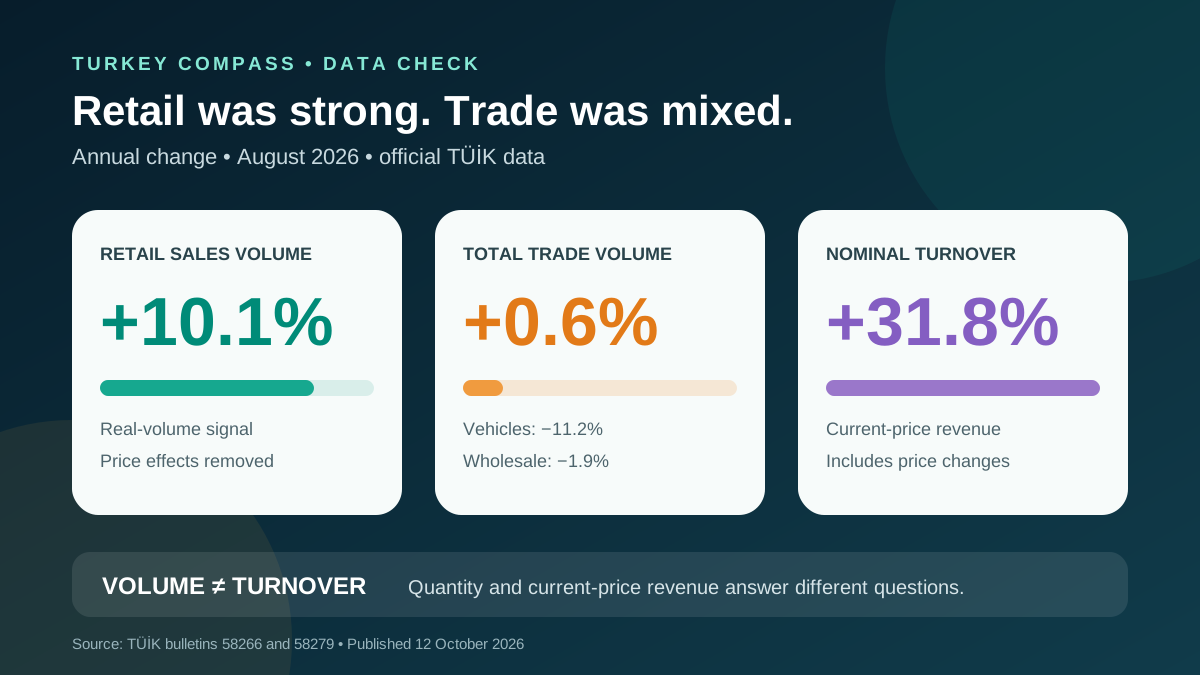
Turkey's retail sales volume was 10.1% higher in August 2026 than a year earlier, TÜİK reported on 12 October. Yet total trade volume increased only 0.6%, because vehicle-related and wholesale trade contracted. A second release put annual total turnover growth at 31.8%. For an international investor or operator, the gap matters: volume tracks the amount sold after price effects, while turnover is current-price revenue and can rise with inflation.
Retail strength did not extend across trade
Calendar-adjusted retail sales volume rose 10.1% from August 2025. Vehicle and motorcycle sales, repair and related trade fell 11.2%, while wholesale trade declined 1.9%. Those weaker components held the combined trade volume increase to 0.6%. The release therefore supports a strong retail reading, not a claim that every sales channel or consumer-facing industry expanded at the same pace.
The latest monthly move was positive but modest
After seasonal and calendar adjustment, retail volume increased 1.4% from July and total trade volume rose 0.2%. Vehicle-related trade fell 1.0% and wholesale slipped 0.2%. The monthly result suggests continued retail momentum, but it is much smaller than the annual comparison and should not be added to it.
Why 31.8% turnover growth is not 31.8% real growth
TÜİK's separate turnover release showed total industry, construction, trade and services turnover up 31.8% annually in current prices; trade turnover alone rose 32.5%. Turnover combines changes in selling prices and quantities. A large nominal increase can coexist with a small volume gain, so it does not by itself reveal purchasing power, unit demand, margins or profit.
What an investor should verify beyond the headline
Compare product-level volumes, average ticket size, gross margin, rents, payroll, financing costs, inventories and receivables. Separate imported from locally sourced inputs and model the exchange rate used in contracts. City, district and channel differences can outweigh the national average, especially in tourism centres, e-commerce and durable goods.
A useful demand signal, not an investment verdict
The defensible conclusion is narrow: retail quantities remained strong in August, while wholesale and vehicle-related trade were weak and nominal revenue rose much faster than real volume. TÜİK will publish the September trade-volume and turnover releases on 11 November 2026. Until then, the data should inform due diligence rather than replace company accounts or local market evidence.